How to Finance a Property Purchase in Guadeloupe: Mortgage Guide for Expats & Non-Residents
Securing a mortgage in Guadeloupe: local banking criteria, non-resident buyers, interest rates, debt-to-income limits, and notary guarantees in 2026.
Financing the acquisition of a luxury villa, a newly built apartment, or prime building land in Guadeloupe requires a structured methodology. Whether you are a local buyer, a relocating professional, or an international non-resident, banking partners apply specific lending criteria in the French Caribbean.
Here is a practical roadmap to optimize your mortgage application in 2026.
Financing Guide Summary
- 1. Mainland vs Local Caribbean Banks: Where to Apply?
- 2. Key Mortgage Underwriting Criteria in Guadeloupe
- 3. Financing for Expats and Non-Resident Buyers
- 4. Guarantees, Borrower Insurance, and Caribbean Specifics
- 5. Structure Your Purchase with Caroline DE LIGNY
1. Mainland vs Local Caribbean Banks: Where to Apply?
When purchasing real estate in Guadeloupe, two financing pathways are available:
- Your Primary Bank in Mainland France or Europe: Best if you already have existing wealth management ties and solid liquid assets.
- Regional Retail & Private Banks in Guadeloupe (BRED, BNP Paribas Antilles, CEPAC, Crédit Agricole): These institutions have daily expertise in local property valuations and rental dynamics.
2. Key Mortgage Underwriting Criteria in Guadeloupe
To ensure loan approval under French banking standards:
- Debt-to-Income Ratio: Capped at 35% including loan insurance (HCSF regulations).
- Projected Rental Revenue: Future rental yields are generally factored at 70% to 80% when calculating cash flow coverage for investment purchases.
- Personal Down Payment: A minimum equity contribution of 10% to 20% (covering notary duties and registration fees) is customary.
To evaluate estimated rental yields, read our detailed comparison on short-term holiday vs long-term rental income in Guadeloupe.
3. Financing for Expats and Non-Resident Buyers
International investors and French expats living abroad can borrow under French banking protections:
- Loans denominated in Euros (€) with fixed interest rates.
- Recommended personal down payment of 20% to 30% to account for cross-border currency dynamics.
- Flexible ownership structures such as a French SCI (Civil Real Estate Company) for family wealth transmission.
4. Guarantees, Borrower Insurance, and Caribbean Specifics
- Security Instruments: Conventional French mortgage (Hypothèque) or Lender’s Lien (PPD) drafted by a notary in Guadeloupe.
- Borrower Life & Disability Insurance: Ensure terms accommodate tropical residency or nautical activities. Selecting an independent broker offers substantial savings.
5. Structure Your Purchase with Caroline DE LIGNY
Backed by the national Capifrance network and established connections with top mortgage brokers and private banking directors in Guadeloupe, I assist you in crafting a compelling financial file.
Discover our available properties:
- New 3-Bedroom Apartment in Baie-Mahault (€328,000 FAI)
- New 2-Bedroom Ground Floor Apartment in Baie-Mahault (€286,000 FAI)
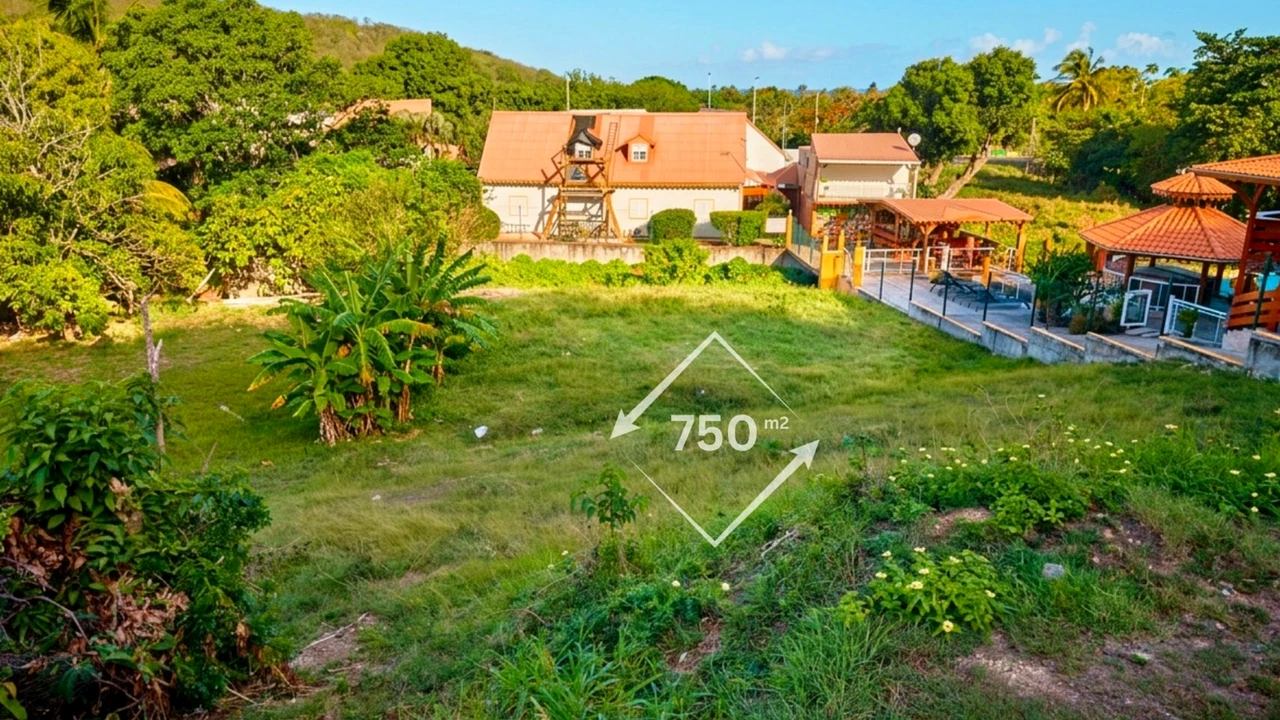
- 750 m² Building Land in Deshaies (€150,000 FAI)
Contact Caroline DE LIGNY to review your financing strategy (WhatsApp: +33 690 49 39 96).
Caroline DE LIGNY
Capifrance Real Estate Advisor • Passionately Professional, Distinctly Dedicated
We don't just work in real estate; we curate tailored experiences. Dedicated to storytelling and giving voice to the unique soul of every home.